
"New Production"
10000 article(s) found

What is the variety of coffee beans in Papua New Guinea? what is the Little Blue Mountain?
Professional barista exchanges please follow the coffee workshop (Wechat official account cafe_style) Papua New Guinea Coffee Wiki Valley Kunjin washing method Origin: Papua New Guinea production area: Western Highlands, Wiki Valley Farm: several small coffee farmers Coffee varieties: Arusha (Arusha), Blue Mountains, Saint-Raymond (San Ramon) altitude: 1400: 18

Ethiopian coffee producing area
With the assistance of a new generation of family members Virgil and Vanessa, GIMA Coffee will be further expanded, with the establishment of a larger technology and production plant, a new set of administrative offices, the introduction of new production facilities and the establishment of an espresso tasting room. In the tasting room, you can not only find our experience with the taste and aroma of GIMA coffee

The production of sparkling iced coffee new menu fancy coffee in cafe
Materials for making sparkling iced coffee: coffee beans 60 grams / 6 cups, cold boiled water 720cc/6 cups, crushed ice, soda soda (lighter) or 7-up soda (sweeter) 90cc, 1 lemon slice, 1 red cherry, fructose 30cc. Beans: Mamba coffee beans. (medium and deep baking) utensils: ice drop coffee group, pill filter paper, bean grinder, snow cup. Cup: HG9811 molded glass
Papua New Guinea Coffee Culture Origin of Papua New Guinea Coffee
In Papua New Guinea, about 75 per cent of coffee products come from small local farmers
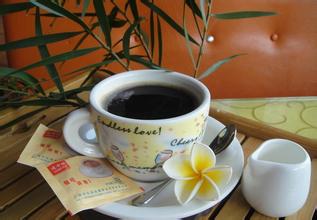
Fine Coffee Papua New Guinea Coffee Flavor Nuts, Sugar, Low Acid Firm
The legendary background of modern coffee. In Papua New Guinea, about 75 percent of coffee production comes from small-scale, local farmers
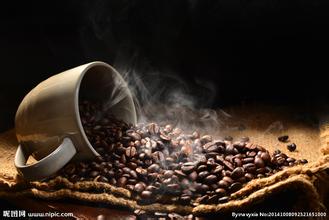
Fine Coffee Papua New Guinea Coffee Flavor Nuts, Sugar, Low Acid Firm
The legendary background of modern coffee. In Papua New Guinea, about 75 percent of coffee production comes from small-scale, local farmers
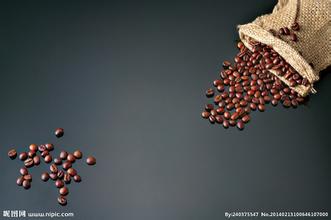
Fine Coffee Papua New Guinea Coffee Flavor Nuts, Sugar, Low Acid Firm
The legendary background of modern coffee. In Papua New Guinea, about 75 percent of coffee production comes from small-scale, local farmers

Description of graded Flavor of Coffee from Papua New Guinea introduction of varieties produced by grinding scale
The graded flavor description of coffee in Papua New Guinea the introduction of varieties in the grinding scale production area, however, it is almost inevitable that the sharp increase in production leads to a decline in quality. Before 1991, the quality of coffee was good, and most of it belonged to open Y and so on. After 1991, the quality gradually declined, and then the European market was lost.

Flavor description of Guatemala New Oriental Coffee beans Grinding scale production area treatment method
Flavor description of Guatemalan New Oriental Coffee beans Grinding scale processing Fahncht Manor is named after Incht, a fruit unique to the Vivette Nango region. There are quite a variety of coffee trees in the manor. Here, Bourbon, Pacamara, Marago Gippe and other varieties are planted. It has an extremely beautiful transcript in the history of COE competitions in Guatemala: nine times on the list,
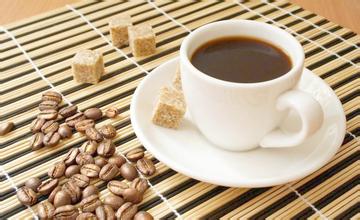
Fine Coffee Papua New Guinea Coffee Bean Flavor Nuts, Sucrose, Low Acid Solid
The legendary background of modern coffee. In Papua New Guinea, about 75 percent of coffee production comes from small-scale, local farmers

What are the characteristics of coffee beans in Kimmel Manor, Papua New Guinea? how much coffee is it?
For the exchange of professional baristas, please pay attention to the coffee workshop (Wechat official account cafe_style). What are the characteristics of Coffee beans at Chimere Manor in Papua New Guinea? how much is the Coffee? Kimel Estate was founded by an Australian Bobby Gibbs in 1974 and is located in the western Goroka Heights near the Wahgi Valley Valley of the Mt Hagen Mountains.
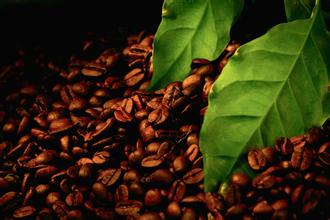
Boutique coffee Papua New Guinea origin Papua New Guinea Coffee practice
The legendary background of modern coffee. In Papua New Guinea, about 75 per cent of coffee products come from small local farmers

Introduction to how to brew single beans in Kimmel Manor
Professional baristas please follow the coffee workshop (official Wechat account cafe_style) introduction: Papua New Guinea coffee was first introduced by Dutch sailors in the Rigo Rico region in 1892. In 1908, Papua New Guinea had 180 acres of land to grow coffee, and by 1970 Papua New Guinea could produce 460000 bags of coffee.

Papua New Guinea Coffee Bean Variety Flavor description, Taste treatment Grinding scale
Papua New Guinea Coffee Bean Variety Flavor description Grinding scale Papua New Guinea is an island country in the western South Pacific and a member of the Commonwealth. The name of the country consists of Papua and New Guinea. There are many small islands here, about 600 in size. It is adjacent to Indonesia and Australia to the south. Belongs to the Asia-Pacific region, but it is an Oceania.
Boutique Coffee Papua New Guinea Coffee characteristics of Papua New Guinea Coffee
The legendary background of modern coffee. In Papua New Guinea, about 75 per cent of coffee products come from small local farmers
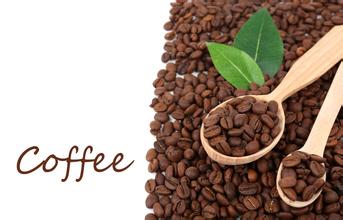
Boutique coffee Papua New Guinea Coffee Origin Papua New Guinea Coffee practice
The legendary background of modern coffee. In Papua New Guinea, about 75 per cent of coffee products come from small local farmers
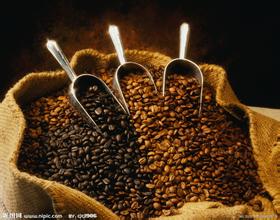
Boutique coffee Papua New Guinea Coffee Origin Papua New Guinea Coffee practice
The legendary background of modern coffee. In Papua New Guinea, about 75 per cent of coffee products come from small local farmers
Boutique coffee Papua New Guinea Coffee Origin Papua New Guinea Coffee practice
The legendary background of modern coffee. In Papua New Guinea, about 75 per cent of coffee products come from small local farmers
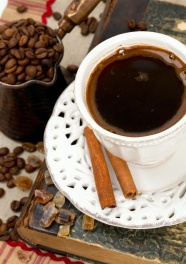
Boutique coffee Papua New Guinea Coffee Origin Papua New Guinea Coffee practice
The legendary background of modern coffee. In Papua New Guinea, about 75 per cent of coffee products come from small local farmers

Boutique coffee Papua New Guinea Manor Papua New Guinea Coffee producing area
The legendary background of modern coffee. In Papua New Guinea, about 75 per cent of coffee products come from small local farmers